Khanda
Info · 20 Apr 2005
Vaheguroo Jee Ka Khalsa, Vaheguroo Jee Ke Fateh Could someone please explain the origin, history and significance of the Khanda? [%sig%]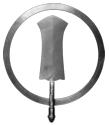 Gurdwara Tapoban SahibBrampton
ਪ੍ਰਥਮਰਹਿਤਯਹਿਜਾਨਖੰਡੇਕੀਪਾਹੁਲਛਕੇ॥ ਸੋਈਸਿੰਘਪ੍ਰਧਾਨਅਵਰਨਪਾਹੁਲਜੋਲਏ॥
Info · 20 Apr 2005
Vaheguroo Jee Ka Khalsa, Vaheguroo Jee Ke Fateh Could someone please explain the origin, history and significance of the Khanda? [%sig%]Info · 28 Apr 2005
any one? [%sig%]morakh · 29 Apr 2005
guru gobind singh recieved the khanda from akaal purakh himself when he did bhagti on the moantians of hemkunt - that is according to gur ki sakian. the khanda is a sided blade. in chandi di vaar, guru ji says akaal purakh created the khanda before he created the universe.Question Bhai · 29 Apr 2005
Khanda is simply a fighting device. A double edged sword. There are many on display in the Museums -- see the fighting devices from the time of Aurangzeb and Guru Sahibs in the National Museum in Delhi. Original Khanda's were more than three or four feet long. Nowadays why do we use a "small" two feet Khanda ?Harpreet Singh · 29 Apr 2005
Waheguru Ji Ka Khalsa Waheguru Ji Ki Fateh morakh wrote: "in chandi di vaar, guru ji says akaal purakh created the khanda before he created the universe." This is not correct. The Khanda that is referred to in the bani is not the double edged sword but its the Khanda of NAAM. Bhai Sahib Randhir Singh has very well explained this. Akal purakh first created his Name. That Naam da Khanda is what bani refers. The double edged sword Khanda weapon came very late when the human species learnt the art of creating weapons. "Prithmey Khanda Saaj Ke Jin Sab Sesaar upaaya" Also in Asa Di Var "Aapine aap saajeyo aapine racheyo naao dui kudrat saaj ke kar aasan ditho chaao" Both these tuk's from bani clearly tell us that Akal purakh first created Naam and then created the universe. Bhul chuk di khima da jaachak Daas Harpreet Singh [%sig%]Info · 29 Apr 2005
Sorry, this question about the khanda is in regards to the entire symbol (two are seen at the top of this page). What is the history of that? [%sig%]TUF · 29 Apr 2005
SOrry, I don't fully know the history, but from what I've been told, the two swords on the side represent miri and piri, the principles laid down by Guru Hargobind Ji. The double edged sword in the centre represents the openess of SIkhi to all people becuz the blades face both ways. The circle represents the steel ring that Khalsa warriors used to wear around their head as protection and which could also be used as a throwing weapon. This circle can also represent the never ending circle of life, or even the omnipotence of Waheguru. Sorry if I've made any mistakes. ANyone add or correct me if I'm wrong.info · 09 May 2005
Does anyone have an answer?I think... · 10 May 2005
...the kirpaanaa on sides represent Miri and Piri (Spiritual and political power). The Chakar represents that Vaheguroo is eternal, and the Khanda is about hte khanda that should reside inside yourself in terms of Naam... Corect me if im wrong! Waheguroo...Charanjeev Singh · 13 May 2005
Dear info, The Khanda also represents two realms which meet at a fine point. One realm represents the seeable Waheguruul; such as this sansaar, and the other the unseeable Waheguruu; where Waheguruu is Gupt in His creation and beyond. The Spirtual realm and the worldly realm is also represented by the Khanda. The Gursikh through the Blessings and Teachings of The Guru understands the Khanda of His Duties and The Creator, where they meet at a fine point. For example; a Gursikh lives in the world, yet his mind and therefore life is focused outside this world. For example; what we percieve as bad, is also under the control and order of Waheguruu. The two meet at a fine point. The Khanda represents the order of the world. And therefore it is not narratable. Bhul Chuk Mauf